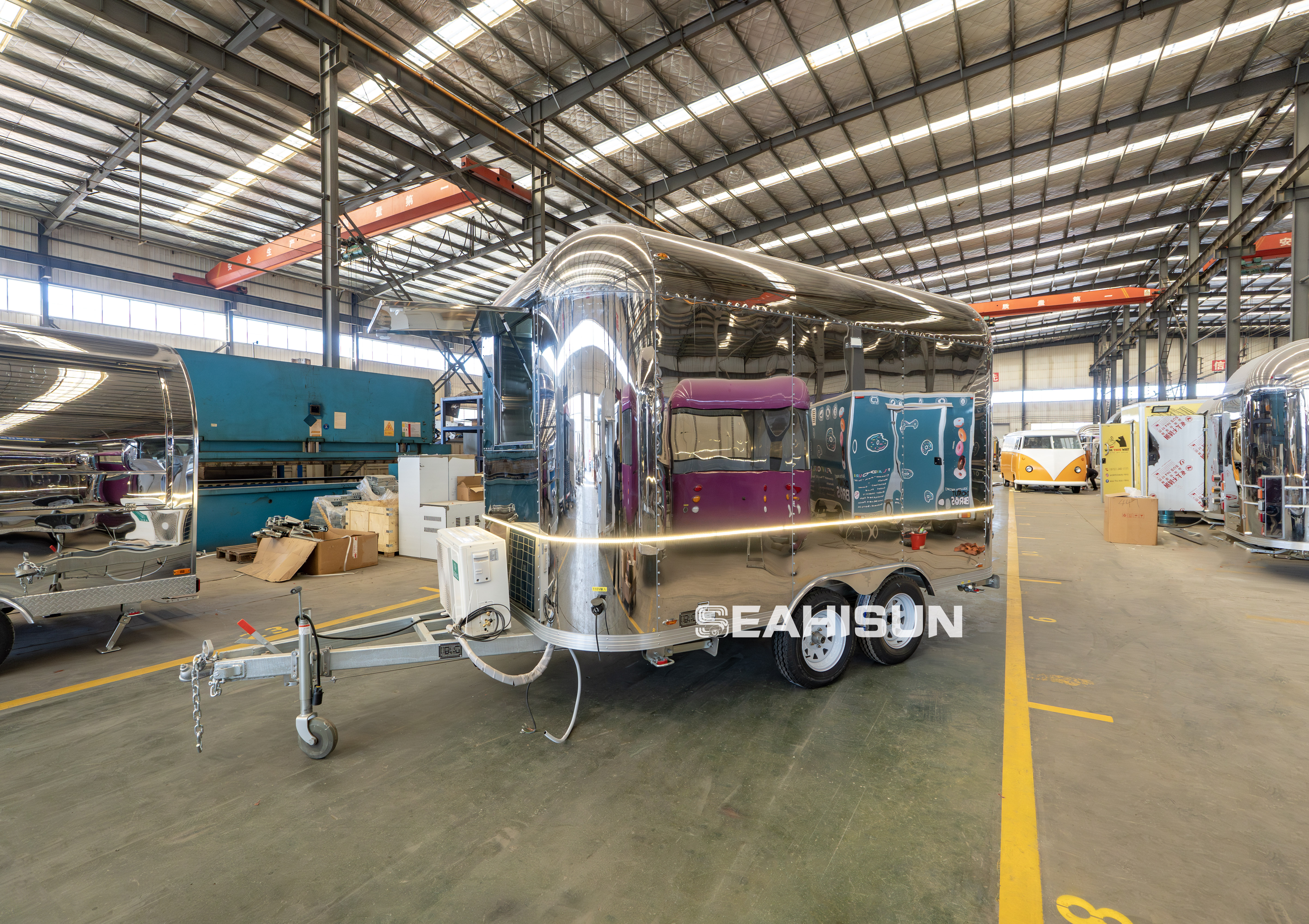
Are you ready to turn your culinary passion into a mobile reality? High-quality food trailers for business provide a flexible, low-cost alternative to expensive restaurants. In this guide, you will learn how to balance menu needs, local regulations, and long-term success.
Key Takeaways
● Menu-Driven Design: Your menu concept is the primary factor influencing your equipment choices and space configurations.
● Workflow Optimization: A thoughtful interior layout minimizes unnecessary movement and increases efficiency during busy peak periods.
● Regulatory Readiness: Designing with health department and fire safety codes in mind from the start prevents expensive retrofitting later.
● Infrastructure Quality: Investing in commercial-grade equipment and robust utility systems provides the reliability needed for mobile operations.
● Strategic Branding: Professional exterior wraps and clear signage turn your food trailer for business into a powerful marketing tool.
● Long-Term Value: Choosing high-quality construction over cutting corners reduces long-term maintenance costs and prevents lost revenue from downtime.
Defining Your Core Business Requirements
Defining your goals is the essential first step before investing in a food trailer for business. This foundational stage ensures every subsequent decision supports your operational needs and long-term vision.
Aligning Trailer Specifications with Your Menu Concept
Your menu concept is the heart of your operation and primary factor in trailer choice. Different preparations require specific equipment configurations. For instance, a pizza-focused business requires heavy-duty ovens and large prep areas, whereas a smoothie business prioritizes high-powered blenders and refrigeration.
Calculating Necessary Interior Square Footage
Determining space needs involves accounting for both equipment and the number of staff members working simultaneously. A well-designed trailer optimizes every square inch to ensure a comfortable working environment during peak hours. You must balance the physical footprint of your appliances with enough floor space for staff to move safely and efficiently.
Assessing Production Volume and Peak Hour Demand
Your expected volume dictates the level of machinery required. Niche items might work in compact units, but high-volume menus need professional-grade equipment that can withstand continuous use. Choosing the right capacity prevents equipment failure and long customer wait times during rush periods.
Identifying Storage and Inventory Needs
Proper storage is critical for food safety and efficiency. You must allocate space for:
● Appropriately sized refrigerators and freezers to fit inventory within space constraints.
● Dry storage for non-perishable ingredients and disposable serving items.
● Dedicated areas for cleaning supplies and personal staff items.
Planning for Long-term Business Scalability
Consider whether you intend to operate seasonally or year-round. If you plan to expand to multiple locations or transition to a physical restaurant later, your initial food trailer for business should be versatile enough to support that transition or hold its resale value.
Evaluating the Impact of Staffing on Layout
The layout must facilitate a logical workflow from order taking to serving. If you employ multiple people, the design must minimize overlapping paths to increase speed and reduce accidents during busy periods.
Determining Power and Utility Loads
Your electrical system must support all equipment, lighting, and POS systems simultaneously. Plumbing systems must include fresh water tanks, gray water storage, and water heaters that comply with health department standards.
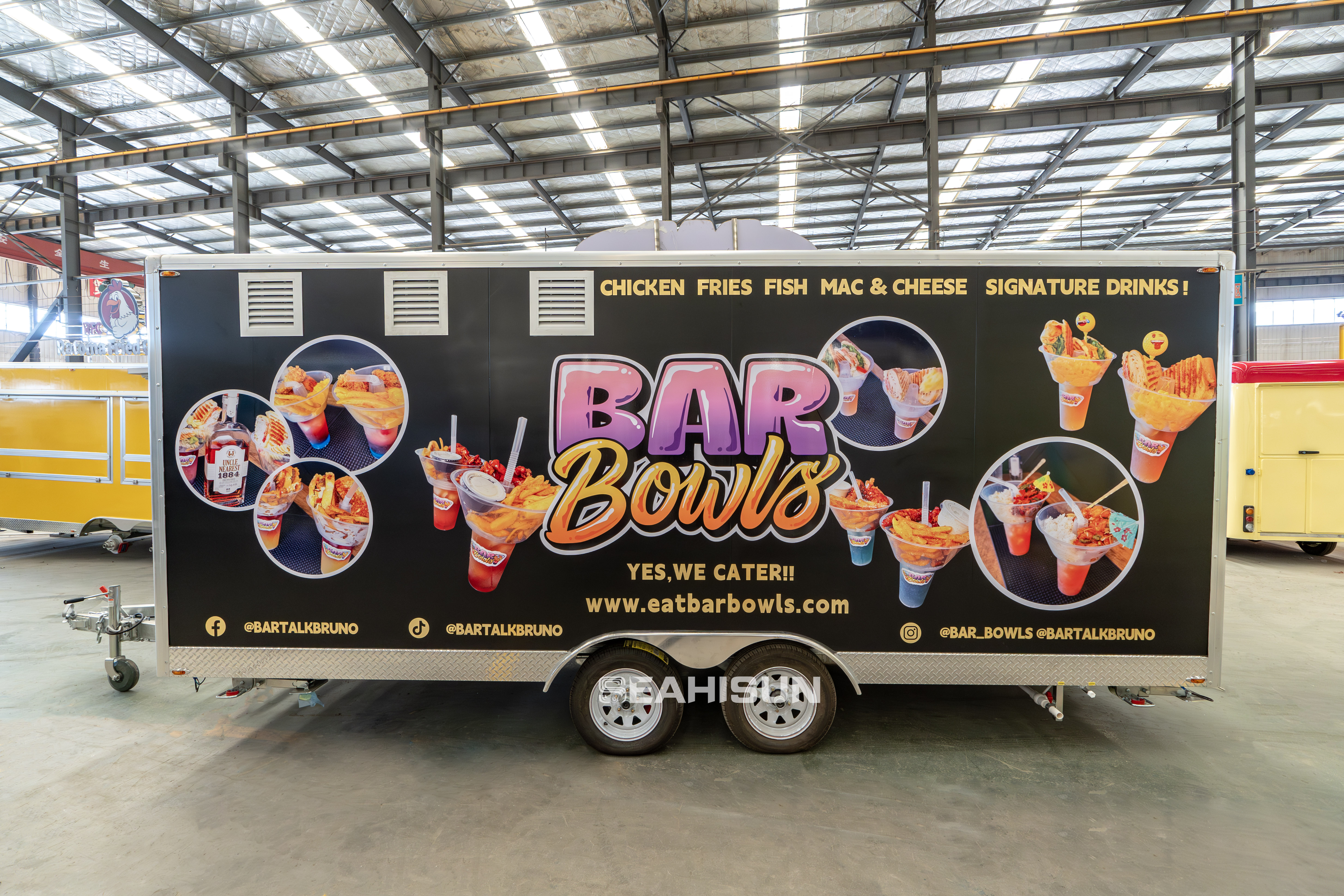
Navigating Different Types of Food Trailers for Business
Understanding the market variety helps you make an informed decision aligned with your specific budget and operational style.
Trailer Type | Best For | Key Advantage |
Concession Trailers | Complex menus & multiple stations | Maximum interior space and protection from elements |
Food Carts | Specialized items (coffee, hot dogs) | Low maintenance, easy transport, and lower budget |
Mobile Kitchens | Large crowds & high volume | Full restaurant functionality on wheels |
Concession Trailers for Multi-Station Menus
These fully enclosed units usually feature serving windows on one side. They offer substantial interior space for complex equipment and staff movement. They are ideal for owners who need multiple cooking stations or have extensive refrigeration needs.
Mobile Kitchens: The Full-Service Professional Solution
Mobile kitchens are the most comprehensive vehicles available. They function as complete commercial kitchens, offering the same capabilities as a standard restaurant. They are perfect for large events where diverse menu options and high output are required.
Compact Food Carts for Specialized Offerings
For entrepreneurs with a simpler concept or smaller budget, food carts are a compact solution. Their smaller footprint makes them perfect for indoor venues or locations with tight space restrictions.
Engineering the Layout for Operational Flow
A thoughtful design minimizes unnecessary movement and gives you a competitive advantage over pre-configured models.
Optimizing the Interior Workflow
Experienced manufacturers help you design a workspace according to your specific operational style. This ensures every inch serves a purpose, from the moment an order is received to the final hand-off at the window.
Designing the Serving Window for Customer Experience
The serving window is your primary interaction point. You should consider:
● Proper height and accessibility for both customers and staff.
● Weather protection like awnings or recessed windows.
● Security features for when the business is closed.
● Clear visibility of the menu to speed up ordering.
Integrating Custom Storage Solutions
To maximize space, many businesses utilize under-counter refrigeration. Vertical shelving and magnetic tool strips can also keep surfaces clear, maintaining a professional and organized environment.
Prioritizing Quality Construction and Utility Infrastructure
Cutting corners on construction often leads to higher maintenance costs and lost revenue down the road.
Selecting Commercial-Grade Cooking Equipment
Only use equipment designed for the rigors of mobile operation. Residential appliances cannot handle the constant vibrations of travel or the continuous heat levels of a professional food trailer for business.
Ensuring Robust Electrical and Plumbing Systems
Utility systems are the critical infrastructure of your operation. Work with builders who ensure these systems meet all local codes from the ground up. This includes professional installation of propane lines and certified plumbing for sanitation.
Climate Control for Staff Performance
Enclosed trailers can become dangerously hot without proper ventilation. Effective exhaust fans, insulation, and air conditioning are essential in hot climates to keep staff productive and ensure food quality.
Ensuring Regulatory Compliance and Safety Standards
Navigating regulations is one of the most difficult aspects of the mobile food industry.
Meeting Local Health Department Codes
Strict guidelines govern hand-washing stations, food prep surfaces, and refrigeration. Designing with compliance in mind saves you from expensive retrofitting after a failed inspection.
Implementing Professional Fire Suppression Systems
Most jurisdictions require professional fire suppression systems over any cooking equipment. These must be regularly maintained and paired with easily accessible fire extinguishers.
Managing Permits, Licensing, and Insurance
You will need various permits, including business licenses and mobile vending permits. Insurance is non-negotiable; you typically need general liability, commercial auto, and workers' compensation if you have employees.
Strategic Branding and Marketing Customization
Your trailer serves as both your headquarters and your primary marketing tool.
Maximizing ROI with Professional Exterior Wraps
Vinyl wraps and custom paint transform your trailer into a rolling billboard. Your design should clearly communicate your brand and be visible from a distance to attract customers as you drive.
Enhancing Visibility with Signage and Lighting
Clear, attractive signage helps customers understand your menu quickly. Digital menu boards offer flexibility for changing prices or items, while illuminated signs increase visibility during evening hours.
Functional Add-ons for Enhanced Service
Consider customizations that improve service, such as:
● External speakers for music or order announcements.
● External shelving or condiment stations to keep the service window clear.
● Awnings to protect waiting customers from rain or sun.
Financial Planning: Investment vs. Long-Term Value
Understanding the complete financial picture helps you balance initial costs with long-term profitability.
Evaluating New vs. Used Food Trailers
New custom builds can be designed to your exact specs and usually come with comprehensive warranties. Used trailers offer cost savings but may have hidden maintenance issues or limited customization options.
Calculating the Total Cost of Ownership
Don't just look at the purchase price. Account for:
● Routine maintenance of generators, propane, and water systems.
● Towing vehicle requirements based on the weight of a fully loaded trailer.
● Potential downtime costs due to equipment failure.
Exploring Financing and Leasing Opportunities
Traditional business loans and equipment financing can make a high-quality food trailer for business more accessible. Some manufacturers also offer references to financial partners experienced in the food service industry.
Conclusion
Choosing the right food trailer for business requires prioritizing menu needs and regulatory compliance. By focusing on workflow and construction quality, you build a professional foundation for your culinary dreams. Partnering with Qingdao Seahisun Food Truck Technology Co., Ltd.ensures your mobile kitchen is safe and efficient. Their expertly designed trailers offer specialized layouts that help your business thrive in any competitive market.
FAQS
Q: How long does it take to build a custom food trailer for business?
A: Construction typically ranges from 8-12 weeks depending on specific customizations.
Q: Why is layout important for a food trailer for business?
A: A thoughtful design optimizes space, ensuring efficient workflow and staff safety during busy periods.
Q: What is the benefit of a new food trailer for business?
A: New units offer 2-year warranties and are built to meet modern health codes.
Q: How do I determine the right size for my food trailer for business?
A: Consider your menu complexity, equipment needs, and the number of staff members.
 注: 建议图片大小150px*50px


