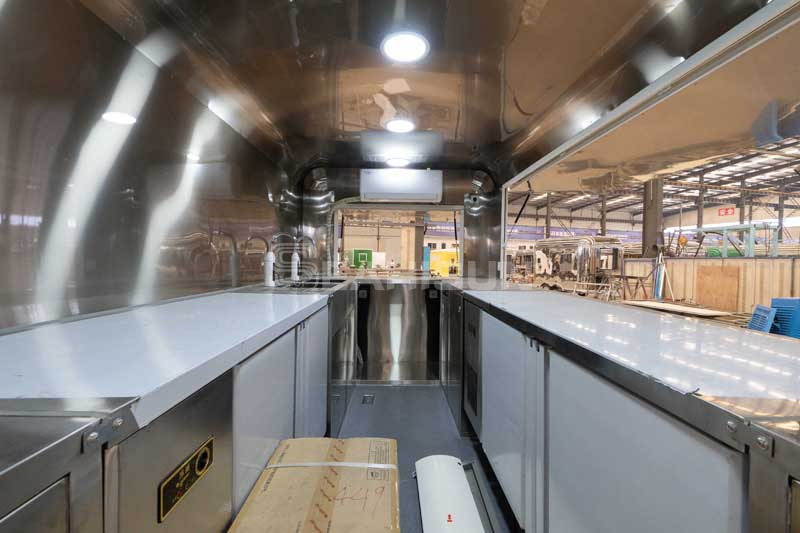
Starting a mobile food business requires careful planning and investment because your trailer is your main asset. Understanding the custom food trailer cost is crucial for entrepreneurs entering the profitable 2026 industry. You will learn about pricing tiers and financing to help your business succeed.
Key Takeaways
● Varied Pricing Tiers: In 2026, the custom food trailer cost ranges from $16,500 for entry-level 7×14 models to over $45,000 for premium, fully equipped high-volume units.
● Size and Configuration: Trailer widths are standard at 7 or 8.5 feet, with lengths between 14 and 24 feet influencing both workspace efficiency and total investment.
● Menu-Driven Investment: Your specific menu dictates equipment needs, such as specialized ventilation for BBQ or refrigeration for coffee, which directly impacts the final build price.
● Compliance is Mandatory: Every professional build must factor in the costs of meeting strict health department standards, including NSF-certified materials and fire suppression systems.
● Long-Term ROI: Investing in quality materials like reinforced steel frames and commercial-grade aluminum reduces maintenance costs and preserves resale value.
● Flexible Financial Paths: Entrepreneurs can manage initial costs through traditional financing with terms up to 240 months or alternative rent-to-own programs.
Comprehensive Breakdown of Custom Food Trailer Cost by Tier
Investing in a mobile kitchen involves choosing a tier that aligns with your specific menu and budget. Prices in 2026 vary significantly based on size and included amenities.
Entry-Level Startups ($16,500 – $22,000)
These trailers are perfect for startups or businesses with focused menus, such as coffee stands or simple snack bars. Most entry-level models are compact, ranging from 7×14 to 8.5×16 configurations. Despite the lower price, they include essential electrical systems, standard plumbing, and DOT-compliant builds. For example, a 7×14 unit often starts around $16,500, providing a solid entry point for a mobile business.
Mid-Range Professional Units ($22,000 – $28,000)
Mid-range trailers represent the "sweet spot" for many professional operators because they balance workspace with movability. These units typically measure between 8.5×18 and 8.5×22. They feature improved ventilation systems, higher-quality interior finishes, and extra serving windows to handle larger crowds. An 8.5×20 model at approximately $26,000 provides ample kitchen space for full food service operations.
Premium & High-Volume Models ($28,000 – $45,000+)
Built for established brands or high-volume catering, premium trailers offer complete turnkey solutions. They feature full commercial equipment packages, advanced electrical capacity, and specialized configurations like BBQ patios. A fully equipped 8.5×18 model can cost $45,000, but it includes everything needed to start serving immediately.
Understanding the Price-to-Value Ratio
While the initial price is important, you must look at the total cost of ownership. Quality builds use reinforced steel frames and commercial-grade aluminum exteriors to ensure long-term durability. These materials decrease the need for frequent repairs and help the unit withstand constant transport.
Comparing Regional Pricing Trends in 2026
Location should not prevent you from accessing competitive pricing. Many top manufacturers offer nationwide delivery to bring professional trailers directly to your doorstep. Competitive shipping rates help keep the total acquisition cost reasonable even if the manufacturer is several states away.
The Impact of Modern Aesthetics on Pricing
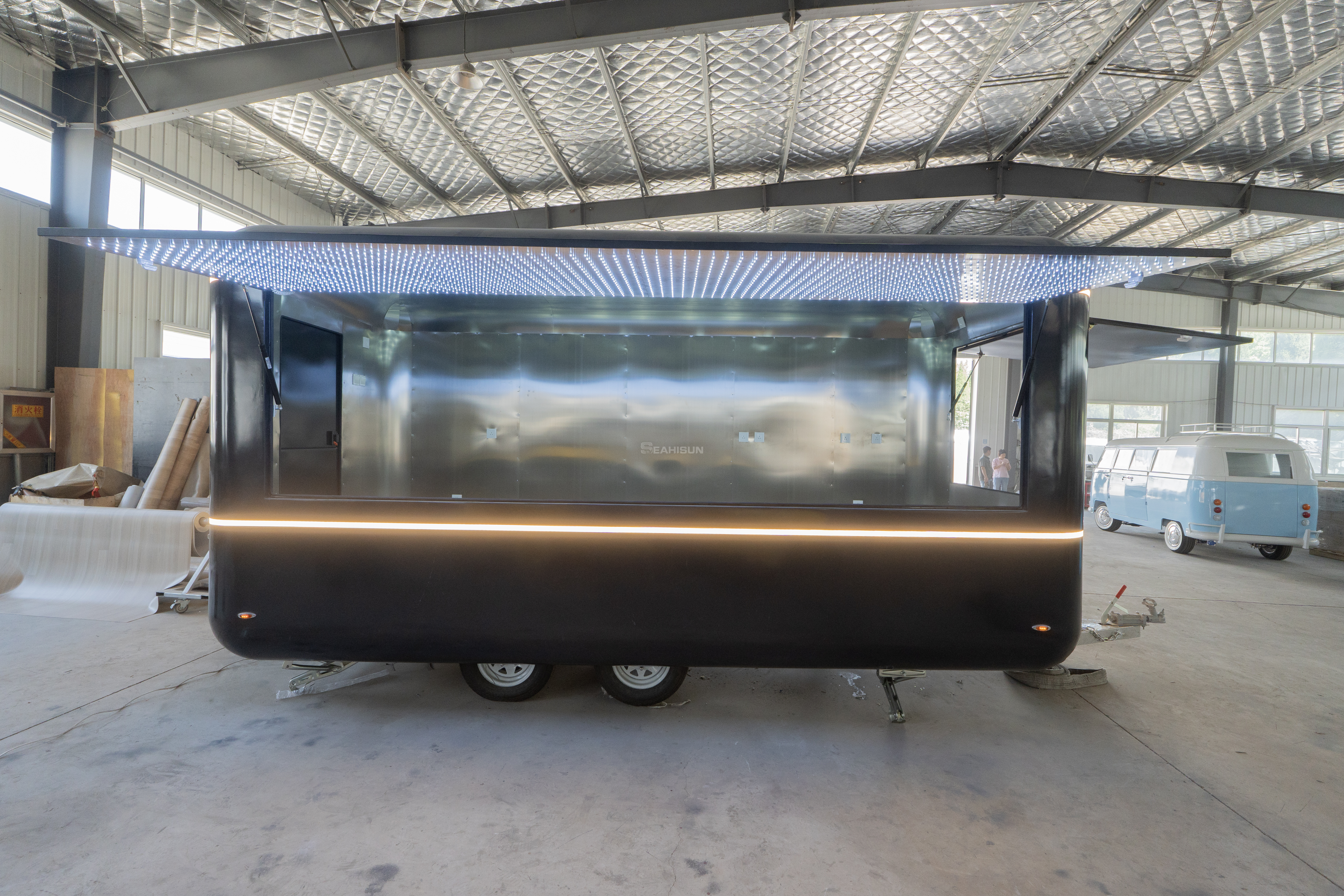
The final design of your trailer is vital for attracting customers. Premium finishes, such as "Blackout" styling or custom colors like standout green, can increase the price but help your brand pop. Professional customization, including vinyl wraps and branded graphics, adds to the initial investment but serves as a mobile billboard.
Trailer Tier | Size Range | Price Range (2026) | Best For |
Entry-Level | 7×14 to 8.5×16 | $16,500 – $22,000 | Coffee, Pastries, Startups |
Mid-Range | 8.5×18 to 8.5×22 | $22,000 – $28,000 | General Full-Service Menus |
Premium | 8.5×18+ | $28,000 – $45,000+ | BBQ, High-Volume, Turnkey |
Key Factors Influencing Your Custom Food Trailer Cost
Several technical factors dictate why one trailer costs significantly more than another. Evaluating these before buying helps you choose the right configuration for your business model.
Dimensions and Workspace Configuration
Size plays a major role in mobile food service. Manufacturers offer widths of 7 feet or 8.5 feet, with lengths ranging from 14 to 24 feet. Larger units provide more storage and prep area but are more challenging to transport and set up at various locations.
Menu-Driven Equipment Costs
Your menu determines the trailer size and the specific equipment required. A full-service BBQ restaurant needs more space and utility capacity than a simple drink stand. Specialized equipment, like high-capacity hoods or built-in smokers, adds significant weight and expense to the build.
Utility Infrastructure Requirements
Professional trailers need robust electrical and plumbing systems to operate legally and efficiently. You must account for the cost of high-grade appliances, hand-washing stations, and commercial ventilation. Every build must meet health department standards, which include food-grade surfaces and proper wastewater disposal.
Material Quality and Insulation
Energy-efficient systems and high-quality insulation reduce monthly utility bills. Using NSF-certified materials and heavy-duty axles ensures the trailer lasts longer and remains compliant with local regulations across the country.
The "Hidden" Costs of Compliance and Safety
Health and safety regulations are not optional; they are required for legal operation. Ignoring these costs during the planning phase can lead to expensive modifications later.
Meeting Health Department Standards
A compliant trailer must include specific features like hot and cold water systems, proper wastewater disposal, and food-grade preparation areas. Manufacturers often build to these strict standards to ensure you can focus on customers instead of compliance issues.
Certification and Legal Inspections
Using NSF-certified materials and construction methods is standard for high-quality builds. Professional manufacturers stay updated on local regulations across the country to customize your trailer to meet specific local requirements.
Fire Safety and Suppression Systems
High-heat cooking equipment requires proper fire suppression systems and commercial-grade ventilation hoods. These safety features are essential for obtaining permits and ensuring the safety of your staff and customers.
Customization and Add-on Expenses
Customization makes your trailer unique and improves daily efficiency. These "extras" often separate a basic shell from a high-performance mobile kitchen.
Specialized Kitchen Layouts
Well-designed interiors improve workflow through better equipment placement and smart storage solutions. Tailoring the layout to your specific service style ensures your team can handle peak rush times effectively.
Exterior Branding and Visibility
To attract crowds, you may want to invest in custom colors, chrome accents, or blackout packages. Adding signage, menu boards, and exterior lighting can also draw attention at festivals and night markets.
Power Independence
Many operators choose to add generators or increased electrical capacity to their builds. While this increases the custom food trailer cost, it allows you to operate in locations without access to shore power.
Customer-Provided Equipment Integration
Some manufacturers allow you to provide your own appliances. However, professional installation is still required to ensure the ventilation, plumbing, and electrical systems meet safety standards.
Financing the Investment: Ownership Paths in 2026
Financing is a major consideration for most buyers. Modern solutions make high-quality trailers accessible to entrepreneurs at various financial stages.
Traditional Financing and Interest Rates
Top providers offer competitive rates and terms to suit business cash flow. In 2026, interest rates typically range from 7.99% to 19.95% depending on your credit. Loan terms can range from 36 to 240 months, providing flexibility for monthly payments.
Rent-to-Own Programs
Rent-to-own programs offer an alternative path for those who prefer not to use traditional financing. This approach requires a lower initial investment and allows you to build equity while you operate your business. Many models qualify for these arrangements, making professional equipment more accessible.
Managing Initial Down Payments
The application process for financing is usually simple, with many approvals processed quickly. Your down payment requirements and monthly terms will vary based on your credit history and the specific trailer you select.
Long-Term ROI and Total Cost of Ownership
Looking beyond the sticker price helps you understand the true value of your investment. A well-built trailer serves as a long-term asset.
Maintenance vs. Durability
Professional-grade axles, DOT-compliant lighting, and braking systems are essential for trailers that move daily. Durable construction withstands frequent transport and reduces the long-term cost of repairs.
Energy Efficiency Savings
Investing in energy-efficient appliances and proper insulation lowers your ongoing utility bills. This efficiency improves your monthly bottom line and helps the business remain profitable.
Resale Value of Custom Trailers
A high-quality build with a reputation for solid craftsmanship retains its value better than a budget unit. Should you decide to upgrade or pivot your business, a well-maintained, custom-built trailer remains a valuable asset in the secondary market.
Checklist: Getting the Best Quote for Your Custom Trailer
Follow these steps to ensure you receive an accurate quote that matches your business needs without overspending.
● Define Your Menu: Know exactly what you will cook to determine equipment and utility needs.
● Select Your Size: Balance the need for prep space with the ease of towing and setup.
● Check Local Regulations: Ensure the manufacturer can build to your specific local health department standards.
● Assess Financing Options: Compare traditional loans with rent-to-own programs to find the best fit for your cash flow.
● Factor in Delivery: Ask for competitive shipping rates if you are not located near the manufacturing facility.
● Review Warranty Details: Confirm that the trailer includes manufacturer warranties for long-term protection.
Conclusion
The custom food trailer cost in 2026 represents a strategic investment in quality, reliability, and long-term value. By choosing a trailer built with superior craftsmanship, you establish a strong foundation for your mobile food dream. Qingdao Seahisun Food Truck Technology Co., Ltd.provides high-quality units that meet strict health standards. Their professional support and flexible financing make it easier than ever to launch a successful mobile kitchen. These durable products offer exceptional value for any growing food business.
FAQS
Q: What is the entry-level custom food trailer cost?
A: Prices start between $16,500 and $22,000 for compact 7×14 models with essential utilities.
Q: How much does a custom food trailer cost for high-volume businesses?
A: Premium, fully equipped models typically range from $28,000 to $45,000 in 2026.
Q: Does menu choice influence the custom food trailer cost?
A: Yes, complex menus like BBQ require specialized equipment and ventilation, increasing the investment.
Q: Why invest in a higher custom food trailer cost?
A: Quality builds use reinforced steel and better insulation, reducing long-term maintenance and utility expenses.
 注: 建议图片大小150px*50px


