Are you ready to launch your mobile culinary dream but feel stuck on the vehicle? Deciding between a food truck vs food trailer is a vital choice for any startup. This guide breaks down costs and mobility to help you find the perfect fit.
Key Takeaways
● Initial Investment Difference: A food trailer is the most budget-friendly entry point for startups, often costing between $6,000 and $25,000, while a food truck can require an investment up to $200,000.
● Mobility vs. Stability: Food trucks offer superior "urban agility" for navigating tight city streets, whereas trailers are better suited for long-term placement at fairs or festivals.
● Maintenance Risks: A food truck has a "single point of failure" because an engine breakdown stops both your transport and your kitchen; trailers have lower mechanical overhead since they lack an engine.
● Space and Capacity: Trailers typically offer more interior square footage, allowing for larger equipment and more staff members during high-volume events.
● Operational Flexibility: With a trailer, you can unhitch your tow vehicle to run for extra supplies while leaving the kitchen unit stationary at the event site.
● Security Logistics: While trucks are self-contained and harder to steal, trailers require more vigilant security and specific parking arrangements to prevent them from being towed away.
Direct Comparison: Food Truck vs Food Trailer Key Differences
Understanding the fundamental differences between these two options is the first step in your business journey. While both serve the same goal—delivering delicious food to customers—they function very differently on the road.
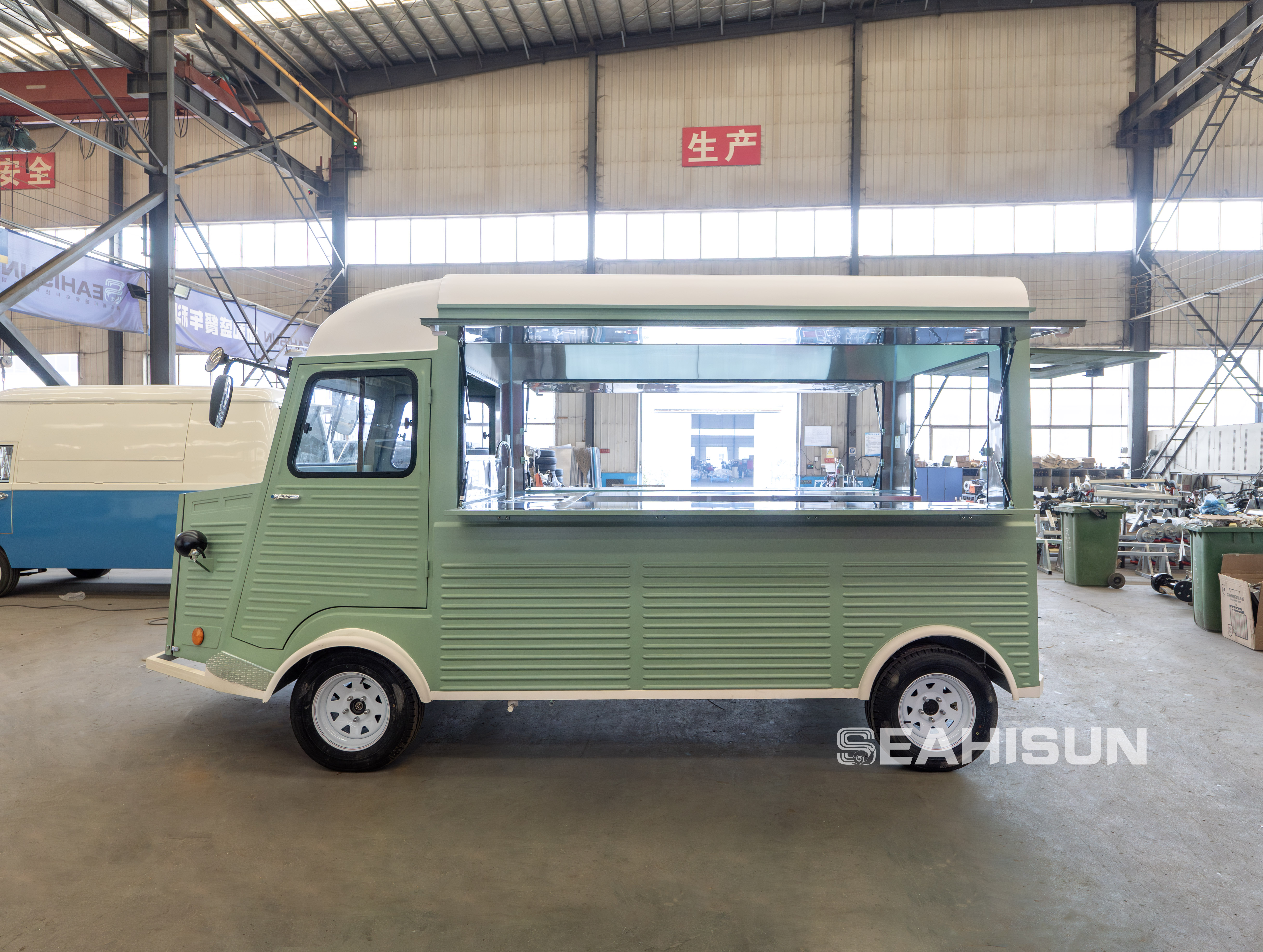
● Defining the Food Truck: This is a motorized vehicle, typically a truck or van, renovated to house kitchen equipment and storage. It is a self-contained unit where you can cook and drive in the same space.
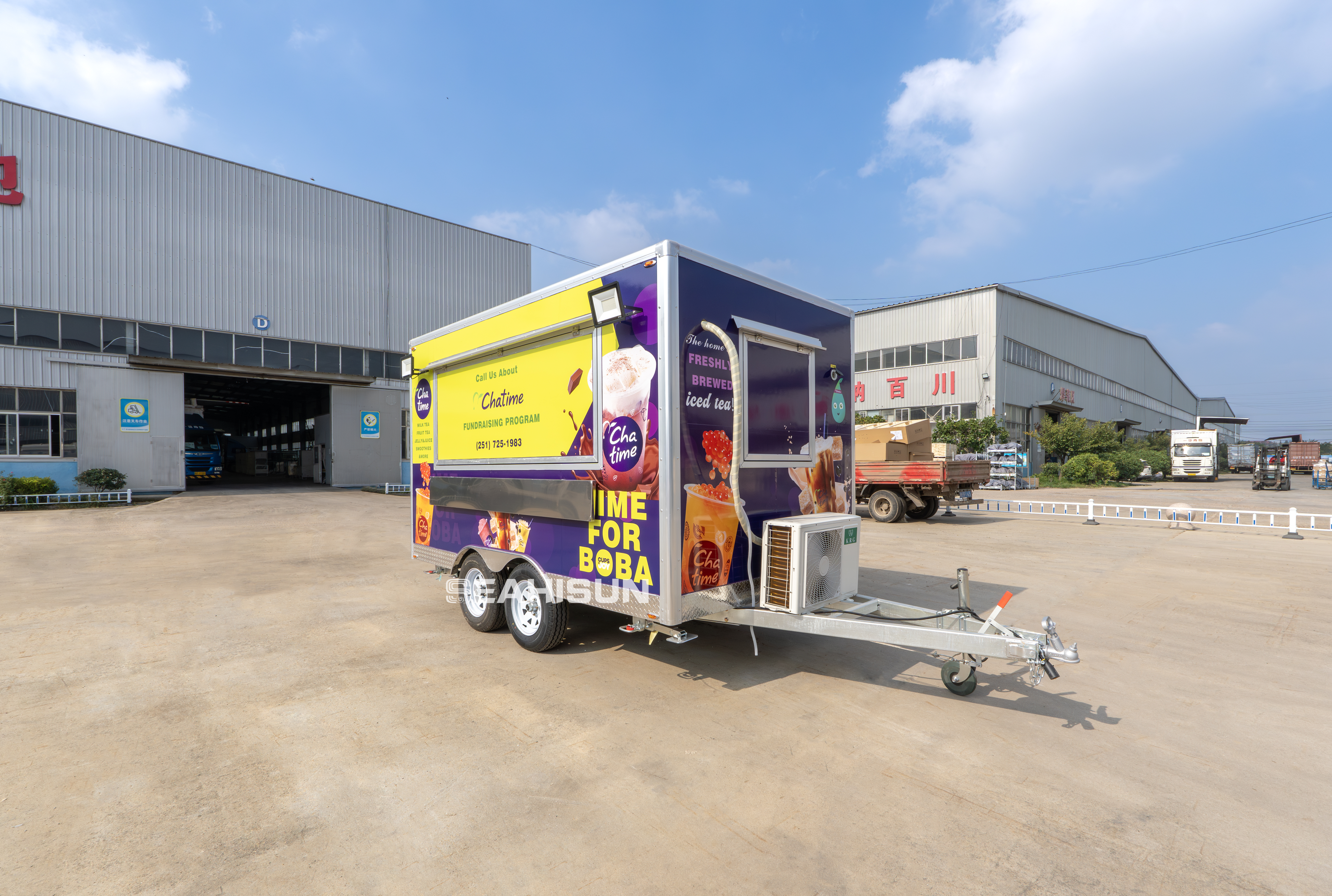
● Defining the Food Trailer: This is a non-motorized kitchen unit or "airstream" that requires a separate vehicle to move. It lacks its own engine and must be towed by a car or truck.
● The Mobility Factor: A food truck offers superior agility, making it easier to maneuver through narrow city streets or crowded parking lots. Trailers, being larger and requiring a tow vehicle, are less mobile but offer a stable presence once parked.
● Space and Layout: Trailers often provide more interior square footage. This extra space allows for larger equipment and more staff, which can be a significant advantage for high-volume menus.
● The "Vibe" and Brand Perception: A food truck often screams "modern urban professional," while a trailer might give off a "festival or fair" aesthetic. Your choice affects how customers perceive your brand before they even taste your food.
Note:A food truck is entirely self-contained, while a trailer requires a towing vehicle to move from one location to another.
Financial Breakdown: Upfront Costs and Long-term Investment
Budget is often the deciding factor for most startups. The price gap between these two models is substantial and impacts your initial capital requirements.
Cost Category | Food Truck | Food Trailer |
Initial Purchase (Used) | $50,000 – $100,000 | $6,000 – $25,000 |
Initial Purchase (New) | Up to $200,000 | Significantly lower than trucks |
Maintenance | Higher (Engine + Kitchen) | Lower (Kitchen focus) |
Insurance/Permits | Complex & potentially higher | Generally more straightforward |
● Initial Purchase Price: Used trucks start around $50,000, while new ones reach $200,000. In contrast, you can find trailers for as low as $6,000 to $25,000.
● The Hidden Cost of Towing: If you choose a trailer, you must account for a towing vehicle. If your current car cannot handle the weight, buying a suitable truck adds to your upfront cost.
● Depreciation and Resale Value: Food trucks typically depreciate faster because they have mechanical parts like engines and transmissions that wear out. Trailers are simpler assets that often hold their value better over time.
● Operating Expenses: Trucks consume more fuel due to their weight and the constant need to power the vehicle's engine. Trailers require less maintenance because they lack an engine, though you still pay for the fuel of the tow vehicle.
Operational Flexibility: Navigating Locations and Logistics
Your daily operations will look very different depending on your choice. You must decide if you want to be a "roamer" or a "resident" at specific spots.
● Urban Agility: Food trucks are built for the city. They fit into standard parking spaces and can navigate tight corners that a trailer simply cannot reach.
● Event Dominance: Food trailers are perfect for fairs, festivals, and multi-day events. Once you unhitch them, they serve as a semi-permanent kitchen unit.
● The "Supply Run" Advantage: One of the biggest perks of a trailer is the ability to unhitch the tow vehicle. If you run out of ingredients, you can take your car to the store without moving your entire kitchen.
● Storage and Parking Requirements: Finding secure parking is essential. While a truck is self-contained and harder to steal, a trailer needs a very secure spot because it is easier for a thief to hitch it and drive away.
Maintenance and Reliability: Keeping Your Business Running
Downtime is the enemy of a startup. When your vehicle isn't moving, you aren't making money.
● The Single Point of Failure: If a food truck's engine breaks down, your entire business is stuck in the shop. You lose both your transport and your kitchen simultaneously.
● Lower Mechanical Overhead: Food trailers have very few mechanical issues because they lack engines. If your tow vehicle breaks down, you can often rent or borrow another truck to move your trailer.
● Kitchen Equipment Upkeep: Both models require regular maintenance of fryers, grills, and refrigerators. However, the vibration of a driving truck can sometimes lead to more frequent equipment repairs compared to a stationary trailer.
● Security Concerns: Trucks are generally more secure because they are difficult to steal without the keys. Trailers require heavy-duty locks and secure overnight parking to prevent theft.
Note:Develop a relationship with a local mechanic who understands both commercial kitchens and vehicle engines if you choose a food truck.
Scaling Your Startup: Which Model Grows Better?
As your business grows, you might want to expand your fleet or simplify your paperwork.
● Ease of Expansion: It is often cheaper and faster to buy a second trailer than it is to buy a second truck. This allows for a more aggressive expansion strategy.
● Speed to Market: Trailers often involve less paperwork and fewer permits than trucks, allowing you to open your doors sooner.
● Staffing Requirements: Because trailers are often larger, they can accommodate more staff. This is vital during peak hours at busy festivals where speed of service determines your profit.
● Permit and Paperwork Hurdles: Food trucks require more documentation, including vehicle registration, health permits, and specific insurance for a motorized business.
Decision Matrix: Choosing the Winner for Your Business Plan
To make the right choice, you must weigh your budget against your location strategy and personal goals.
● The Budget-First Approach: If your capital is under $40,000, the food trailer is the clear winner. It allows you to invest more in high-quality ingredients and marketing rather than a used engine.
● The Location-First Approach: If your dream is to serve the lunch crowd in a busy downtown area, a food truck is the only viable option. You need the agility to grab a parking spot and leave quickly.
● Long-term Vision: Think about where you want to be in five years. Do you want a fleet of mobile trucks roaming the city, or a few large trailers parked at the best local breweries?
● Personal Preference: Owning a business is hard work. If you have always dreamed of driving a classic food truck, you might find a trailer less satisfying, even if it saves you money.
Selection Criteria | Choose a Food Truck IF... | Choose a Food Trailer IF... |
Primary Location | Downtown, street parking | Festivals, fairs, private lots |
Available Capital | $75,000+ | $10,000 - $30,000 |
Staff Size | Small (1-3 people) | Large (3-6 people) |
Mobility Needs | Change spots multiple times a day | Stay in one spot for days |
Conclusion
Choosing between a food truck vs food trailer requires balancing startup costs against your need for mobility. Trucks excel in busy urban centers but involve higher prices and mechanical risks. Trailers offer more kitchen space and affordability, though they must be towed. To build a thriving empire, partner with Qingdao Seahisun Food Truck Technology Co., Ltd. for high-quality, durable units tailored to your goals. Their expert designs ensure your business stays reliable and efficient from day one.
FAQS
Q: Is a food truck vs food trailer cheaper for a new startup?
A: A trailer is significantly more affordable, with used units starting as low as $6,000 compared to $50,000 for a truck.
Q: Which offers better mobility: food truck vs food trailer?
A: A food truck provides superior urban agility because it is self-contained and easier to park in tight city spaces.
Q: Why do trailers have more kitchen space than trucks?
A: Trailers often provide more square footage because they lack a driving cab, allowing for more equipment and staff.
Q: How does maintenance differ between a food truck vs food trailer?
A: In a food truck vs food trailer comparison, trailers have lower overhead since they lack a complex motorized engine.
Q: What happens if my vehicle breaks down?
A: If a food truck engine fails, your business stops; however, a trailer can be towed by a different vehicle.
 注: 建议图片大小150px*50px


