How Much Does It Cost to Start a Food Truck in North America? (2026 Complete Guide)
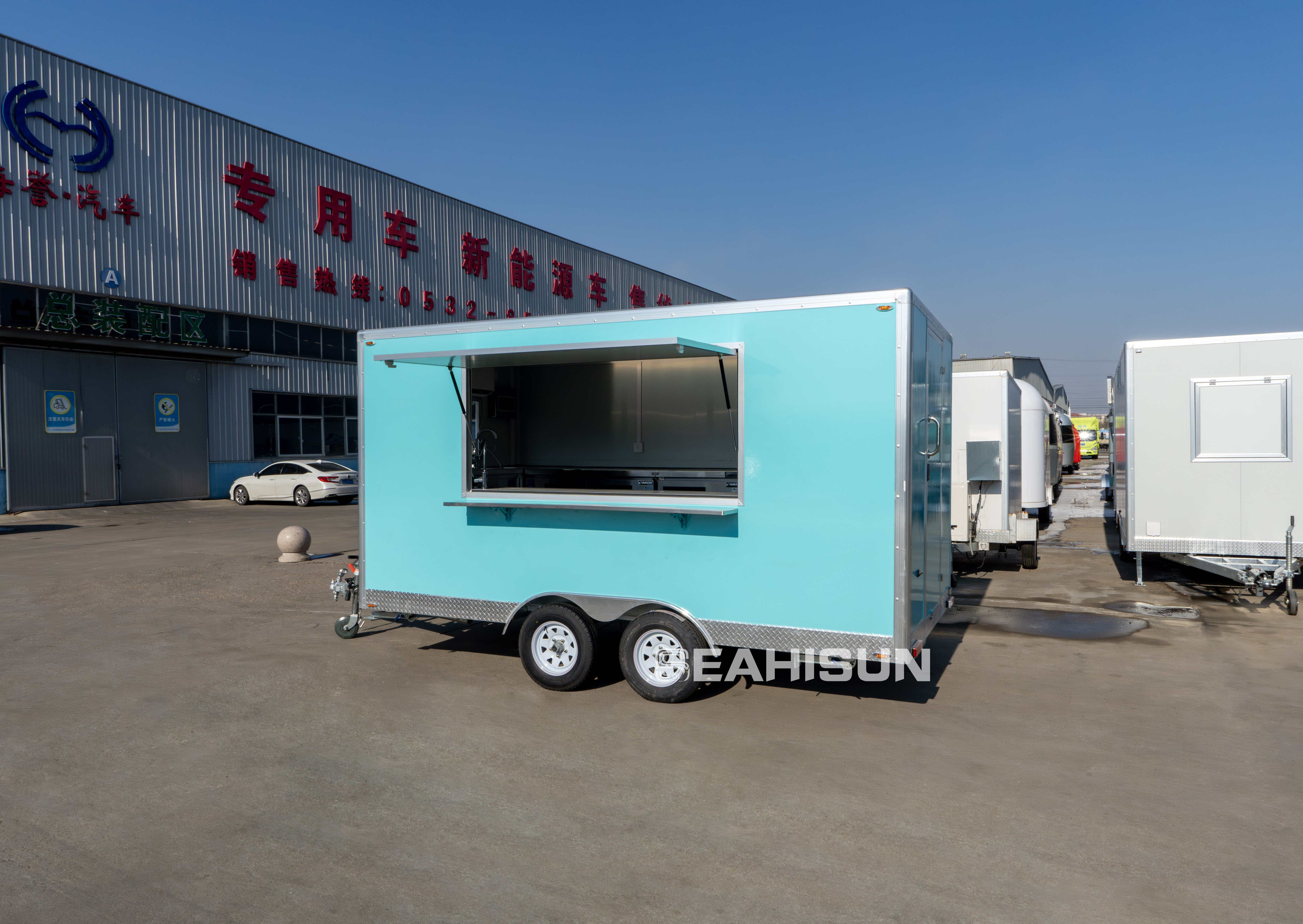
If you’ve perfected your signature tacos, gourmet burgers, or artisanal bowls and dream of sharing them with hungry customers across North America, one question is likely top of mind: How much does it cost to start a food truck? The answer isn’t one-size-fits-all—startup costs vary widely based on whether you buy new or used equipment, your location (U.S. vs. Canada), menu complexity, and compliance with local regulations. But with careful planning and a clear breakdown of expenses, you can budget effectively and turn your mobile food dream into a profitable business.
In this 2026 guide, we’ll break down every major cost associated with starting a food truck in North America (focusing on the U.S. and Canada, the core markets for mobile food culture). We’ll cover average ranges, hidden fees to watch for, regional differences, and money-saving tips to help you launch without overspending. Whether you’re a first-time entrepreneur or an experienced foodie looking to scale, this guide will give you the clarity you need to budget confidently.
Average Startup Cost Range for a North American Food Truck (2026)
First, let’s get straight to the numbers: The average cost to start a food truck in North America in 2026 is $100,000, but the total investment can range from $30,000 (for a budget-friendly, used setup) to $250,000+ (for a custom-built, fully equipped truck with premium features). This range accounts for all upfront expenses—from the truck itself to permits, equipment, and initial inventory. Monthly operating costs (like fuel, labor, and ingredients) are separate and typically run $2,000–$10,000+, which we’ll touch on later.
To put this in perspective: Starting a food truck is significantly more affordable than opening a brick-and-mortar restaurant (which often costs $200,000–$1 million+), making it a popular entry point for food entrepreneurs. The key advantage? Most startup costs are predictable upfront, so you can avoid surprise expenses with careful planning.
Breakdown of Food Truck Startup Costs (North America)
Below is a detailed breakdown of every major upfront cost you’ll encounter. We’ve included average ranges for both the U.S. and Canada, as regulations and pricing vary slightly between the two countries.
1. The Food Truck (or Trailer) – The Biggest Expense
The truck itself is almost always the largest single investment. Your choice—new, used, or custom-built—will have the biggest impact on your total startup cost. Here’s what you can expect in 2026:
Used Food Trucks: $20,000–$70,000. This is the most budget-friendly option for first-time entrepreneurs. Used trucks are widely available on platforms like FoodTruckEmpire, Craigslist, or local classifieds—basic used models (e.g., simple hot dog trucks) can start as low as $20,000, while well-maintained, recently used trucks under 5 years old with low mileage (under 100,000 miles) typically range from $30,000–$70,000 to avoid costly repairs. Keep in mind: You may need to spend an extra $5,000–$15,000 on renovations (e.g., updating the kitchen, fixing mechanical issues) to meet local health and safety standards.
New Food Trucks: $75,000–$175,000. A new truck comes with peace of mind—no hidden mechanical problems, and you can customize the kitchen layout to match your menu. Most new, fully modified food trucks start at around $75,000, with prices increasing based on size and equipment upgrades. Most new trucks include basic kitchen equipment (e.g., a grill, refrigerator) but may require upgrades for specialized menu items (e.g., a deep fryer for fries or a flattop for pancakes).
Custom-Built Food Trucks: $100,000–$250,000+. If you have a unique menu or brand vision, a custom truck is the way to go. You’ll work with a manufacturer to design the kitchen layout, add custom branding, and install high-end equipment. This option is popular for entrepreneurs looking to stand out at food festivals or in competitive markets (e.g., NYC, Toronto, Los Angeles).
Food Trailers (Alternative to Trucks): $10,000–$50,000. Trailers are pulled by a separate vehicle (e.g., a pickup truck), which can save you money upfront. Prices vary by size (10–20 feet) and equipment—basic trailers start at $10,000, while fully equipped ones cost $30,000–$50,000. Note: You’ll need a reliable vehicle to pull the trailer, which may add $15,000–$30,000 if you don’t already have one.
Pro Tip: For U.S. entrepreneurs, ensure your truck meets DOT (Department of Transportation) standards for highway use. In Canada, look for compliance with CSA (Canadian Standards Association) electrical and safety regulations to avoid costly retrofits later.
2. Kitchen Equipment & Setup – $10,000–$45,000
Your kitchen equipment needs will depend entirely on your menu. A burger truck, for example, will need a grill, flattop, and refrigerator, while a dessert truck may require a freezer, display case, and microwave. Here’s a breakdown of common equipment costs in 2026:
Essential Cooking Equipment: $5,000–$25,000. This includes grills ($1,500–$5,000), fryers ($1,000–$4,000), flattops ($1,200–$3,500), ovens ($2,000–$6,000), and stoves ($1,500–$4,000). For specialized menus (e.g., pizza, sushi), expect to pay more for custom equipment (e.g., a pizza oven: $5,000–$15,000).
Refrigeration & Storage: $3,000–$10,000. You’ll need refrigerators ($1,500–$4,000) and freezers ($1,200–$3,500) to keep ingredients fresh. Under-counter units save space, while reach-in refrigerators are better for larger inventories. For North American climates (especially cold winters in Canada), invest in energy-efficient models to reduce monthly utility costs.
Smallwares & Prep Equipment: $1,000–$5,000. This includes cutting boards, knives, pots, pans, mixing bowls, measuring tools, and storage containers. While individual items are cheap, the costs add up—budget $1,000–$2,000 for basic smallwares, or more for high-quality, durable tools that will last longer.
POS System & Payment Processing: $1,000–$5,000. A modern POS (Point of Sale) system (e.g., Square, Toast) allows you to accept credit cards, Apple Pay, and Google Pay—critical for North American customers who rarely carry cash. Most systems cost $500–$2,000 upfront, plus monthly fees ($50–$200) for software and payment processing.
Fire Safety Equipment: $500–$2,000. Required by law in both the U.S. and Canada, this includes fire extinguishers ($100–$300), a fire suppression system ($300–$1,500), and smoke detectors ($50–$150). For trucks using propane or generators, additional safety equipment may be needed (e.g., gas detectors).
Pro Tip: Buy used equipment from reputable sellers (e.g., restaurant supply stores) to save 30–50% on costs. Just make sure to inspect equipment thoroughly and verify it meets NSF (U.S.) or CSA (Canada) standards for food safety.
3. Permits, Licenses & Insurance – $1,000–$30,000+ (First Year)
Compliance is non-negotiable for North American food trucks—and the costs vary dramatically by city, county, and country. Below are the most common permits and licenses you’ll need, along with average costs for 2026:
U.S. Permits & Licenses
Mobile Food Vendor Permit: $100–$2,000+ per year (official fees), with potential black market costs reaching $22,000+ for renewal every two years in high-demand cities like NYC. Costs vary by city—for example, NYC charges $200 for an official, unrestricted mobile food vending unit permit (renewed every two years), plus a $74–$200 personal license for the operator; however, limited availability drives black market renewal prices as high as $22,000 every two years. In Los Angeles, the public health operating license costs $150–$600+, while Chicago’s mobile food license is $700–$1,000 for a 2-year term. Additionally, operating in multiple counties (e.g., Los Angeles County, Riverside County) may require separate permits, adding $800+ per county annually.
Health Department Permit: $800–$1,200+ per year. Required in every U.S. city, this involves a health inspection to ensure your truck meets food safety standards. Contrary to lower initial estimates, industry data shows average annual fees range from $800–$1,200, with Los Angeles County fees falling at the higher end of this range ($800–$1,200). In NYC, the Department of Health permit costs $280 (plus $25 if you sell frozen desserts), which is a notable exception to the national average.
Business License: $50–$500 per year. Required to operate a business in your state or city. Most cities charge a flat fee, while some base it on your projected revenue.
Food Handler Certification: $25–$100 per person. All employees (including you) must complete a food safety course and pass an exam. In Los Angeles, this costs $7 per person for a basic permit, or $99 per person for a advanced certification that covers specialized food safety practices (e.g., handling raw meat or allergens). Certifications typically expire after 2–3 years, so factor in renewal costs ($20–$80 per person) into your long-term budget.
Sales Tax Permit: $0–$100. Most U.S. states require a sales tax permit to collect and remit sales tax on food sales. The cost is often free (e.g., California, Texas) but may be up to $100 in some states (e.g., Florida). You’ll need to file regular sales tax returns (monthly, quarterly, or annually) to avoid penalties.
Parking Permits: $500–$5,000+ per year. Many U.S. cities restrict where food trucks can park and require a dedicated parking permit for popular areas (e.g., downtown districts, near offices, or at events). For example, in San Francisco, a mobile food vending parking permit costs $1,800 per year, while in Austin, Texas, event parking permits can range from $50–$200 per event.
Canadian Permits & Licenses
Canada’s permit system is similar to the U.S. but varies by province and city. Here are the key costs for 2026:
Mobile Food Vendor License: $200–$3,000+ per year. Costs vary widely by city—Toronto charges $1,200–$2,500 for a mobile food vendor license (depending on the truck size and location), while Vancouver’s license costs $300–$800 per year. Some cities (e.g., Montreal) also require a separate permit for selling at public events ($100–$300 per event).
Public Health Inspection & Permit: $150–$1,200 per year. Every Canadian province requires a health permit, which involves a pre-opening inspection and regular follow-up checks. In Ontario, the health permit costs $200–$600 per year, while in Quebec, it ranges from $150–$400. You’ll also need to comply with Canada’s Food and Drugs Act, which sets strict standards for food storage and preparation.
Business Registration: $50–$400. You’ll need to register your food truck business with your province (e.g., Ontario Business Registry, Alberta Business Registry). The cost is typically $50–$200 for a sole proprietorship and $200–$400 for a corporation. Some cities also require a local business license ($100–$300 per year) on top of provincial registration.
Food Handler Certification: $30–$120 per person. All employees must complete a food safety course approved by their province (e.g., ServSafe Canada, Food Safety Certification Canada). In British Columbia, the certification costs $50–$80 per person, while in Ontario, it’s $30–$60. Like the U.S., certifications expire after 2–3 years, with renewal costs of $25–$90 per person.
GST/HST Registration: $0. If your annual revenue is expected to exceed $30,000, you must register for the Goods and Services Tax (GST) or Harmonized Sales Tax (HST) (depending on the province). Registration is free, but you’ll need to collect and remit GST/HST (5–15% depending on the province) on all food sales.
Food Truck Insurance – $1,000–$8,000+ per year
Insurance is a critical (and often overlooked) startup cost—without it, a single accident or lawsuit could put your business out of operation. Here’s what you’ll need in 2026, with average costs for North America:
Commercial Auto Insurance: $500–$3,000 per year. Required if you own or operate a food truck (not a trailer). This covers accidents, damage to the truck, and liability for injuries or property damage caused by the truck. Costs are higher for new trucks or drivers with a poor driving record.
General Liability Insurance: $400–$3,000 per year. This covers lawsuits related to customer injuries (e.g., a customer slipping near your truck) or property damage (e.g., your truck damaging a sidewalk). Most event organizers and property owners require this insurance before allowing you to operate on their premises.
Product Liability Insurance: $300–$2,000 per year. Critical for food businesses—this covers lawsuits related to foodborne illnesses or allergic reactions caused by your menu items. For example, if a customer gets sick from eating your food, this insurance will cover legal fees and settlements.
Equipment Insurance: $200–$1,000 per year. Covers damage or theft of your kitchen equipment (e.g., grills, refrigerators, POS systems). This is especially important if you have expensive, custom equipment. Some policies also cover damage from weather events (e.g., snowstorms in Canada or hurricanes in the southern U.S.).
Pro Tip: Bundle your insurance policies (e.g., auto + general liability) with the same provider to save 10–20% on costs. Many insurance companies specialize in food truck businesses and can tailor a policy to your specific needs (e.g., coverage for event-related risks).
4. Initial Inventory & Supplies – $1,000–$5,000
Before you launch, you’ll need to stock up on ingredients, packaging, and other essential supplies. The cost depends on your menu size and the number of customers you expect to serve in the first few weeks. Here’s a breakdown:
Ingredients: $500–$3,000. Start with a small inventory of fresh ingredients (e.g., produce, meat, dairy) to avoid waste. Focus on your core menu items first—you can expand later as you learn customer preferences. For example, a burger truck might need $1,000–$1,500 in initial ingredients (ground beef, buns, cheese, lettuce, condiments), while a vegan food truck might spend $800–$2,000 on plant-based ingredients (tofu, veggies, vegan cheeses).
Packaging: $300–$1,500. North American customers prioritize convenience and sustainability, so invest in eco-friendly packaging (e.g., compostable containers, paper bags, biodegradable utensils). Costs vary by quantity—buying in bulk can save 20–30%. For example, 1,000 compostable burger containers cost $100–$200, while 1,000 paper bags cost $50–$100.
Cleaning Supplies: $200–$500. You’ll need cleaning products to maintain a hygienic kitchen (e.g., dish soap, sanitizer, paper towels, gloves). These are ongoing expenses, but budget for an initial stock to pass health inspections.
5. Branding & Marketing – $500–$10,000 (Upfront)
To stand out in North America’s competitive food truck market, you’ll need to invest in branding and marketing. Upfront costs include:
Truck Wrapping/Branding: $1,000–$5,000. A custom wrap with your logo, menu, and contact information is one of the best marketing tools for a food truck—it turns your truck into a moving billboard. Basic wraps start at $1,000, while full-color, custom designs cost $3,000–$5,000. For a budget-friendly option, consider decals ($200–$800) instead of a full wrap.
Website & Social Media Setup: $300–$2,000. A simple website (with your menu, location, and contact info) costs $300–$1,000 (using platforms like Squarespace or WordPress). Social media accounts (Instagram, Facebook, TikTok) are free, but you may want to invest in a social media manager ($500–$1,000 upfront) to set up your profiles and create initial content.
Business Cards & Promotional Materials: $200–$1,000. Business cards, flyers, and stickers are affordable ways to promote your truck at events. Budget $50–$200 for business cards, $100–$300 for flyers, and $50–$200 for stickers. You can also offer promotional deals (e.g., “buy one, get one free”) in the first few weeks to attract customers—factor in $200–$300 for these promotions.
6. Hidden Costs to Watch For (2026)
Many first-time food truck entrepreneurs overlook these hidden costs, which can add up quickly. Budget for:
Mechanical Repairs & Maintenance: $1,000–$5,000 per year, plus additional mandatory costs like monthly cleaning fees ($800+ per month in some cities) and designated parking fees. Even new trucks need regular maintenance (oil changes, tire rotations, brake checks), which costs $500–$2,000 per year. Used trucks may require more frequent repairs (e.g., engine fixes, HVAC repairs) costing $2,000–$5,000+ per year. Additionally, some cities require monthly cleaning fees of $800+ and mandatory designated parking, adding to ongoing maintenance costs.
Generator Costs: $1,000–$3,000. Most food trucks need a generator to power kitchen equipment when parked in areas without electrical hookups. A reliable generator costs $1,000–$3,000, plus fuel costs ($50–$200 per week, depending on usage).
Waste Disposal Fees: $100–$500 per month, with some cities requiring additional commercial waste disposal fees. You’ll need to dispose of food waste and trash, which costs $100–$300 per month for a small truck. Some cities also charge a commercial waste disposal fee ($50–$200 per month), and in high-demand areas, additional cleaning fees may apply separately from regular waste disposal.
Training & Education: $200–$1,000. If you’re new to the food industry, consider taking a food truck business course ($200–$500) or attending workshops on menu planning and food safety ($100–$500). This will help you avoid costly mistakes and run your business more efficiently.
Money-Saving Tips for Starting a Food Truck in North America (2026)
Starting a food truck doesn’t have to break the bank. Here are actionable tips to reduce your startup costs:
Buy Used (But Inspect Thoroughly): As mentioned earlier, used trucks and equipment can save you 30–50% on costs. Just make sure to have a mechanic inspect used trucks and a food safety expert check used equipment to avoid hidden issues.
Start Small & Scale: Launch with a simplified menu (3–5 core items) to reduce equipment and inventory costs. You can add more items later as your business grows.
Share Costs with Other Food Trucks: Partner with other food trucks to share parking costs, event fees, or even a commercial kitchen (for prep work). This is especially helpful in larger cities where costs are higher.
Apply for Grants & Loans: Many U.S. and Canadian organizations offer grants or low-interest loans for food entrepreneurs (e.g., the U.S. Small Business Administration (SBA), Canada’s Small Business Financing Program). These can help cover 10–50% of your startup costs.
Negotiate with Suppliers: Build relationships with local food suppliers and negotiate bulk discounts. Many suppliers will offer 5–10% off if you commit to regular orders.
Final Thoughts: Is Starting a Food Truck in North America Worth the Cost?
With an average startup cost of $100,000, starting a food truck is a significant investment—but it’s one that can pay off quickly. North American food truck owners typically earn $100,000–$250,000 in annual revenue, with profit margins of 15–30% (higher than many brick-and-mortar restaurants). The key is to budget carefully, avoid hidden costs, and focus on a niche menu that stands out in your market.
Whether you’re launching in the U.S. or Canada, the most important step is to research your local regulations and costs—what works in NYC may not work in Toronto, and vice versa. Use this guide as a starting point, and consult with local food truck associations or experienced entrepreneurs to get personalized advice.
Ready to turn your food truck dream into reality? With careful planning and smart budgeting, 2026 could be the year your mobile food business takes off.
 注: 建议图片大小150px*50px


