 注: 建议图片大小150px*50px

丨
注: 建议图片大小150px*50px


Views: 0 Author: Site Editor Publish Time: 2026-07-05 Origin: Site


The street food industry is evolving rapidly today. Vendors are moving away from traditional open-air carts toward fully enclosed mobile units. This operational shift provides undeniable advantages in weather protection and production capability. However, it introduces a significant core challenge for new operators. You must balance high-volume output requirements against severely restricted square footage. Operators need sufficient space to prep, cook, and serve without creating dangerous bottlenecks.
Your primary objective becomes clear during the planning phase. You need to engineer a compliant, high-efficiency workspace. This carefully planned layout minimizes operator fatigue during long shifts. It also maximizes transaction speed during peak lunch rushes. In this guide, we break down essential configuration strategies for compact mobile kitchens. You will learn how to navigate complex health department mandates successfully. We also explore modular designs to scale your future menu. Read on to discover how smart engineering turns a small footprint into a high-profit powerhouse.
Push-carts inherently limit your daily operations. They rely heavily on perfect weather conditions to succeed. Storage space is practically non-existent on a standard cart. Carts also face strict commissary requirements in many major cities. Vendors must return to a commercial kitchen daily to wash equipment. Conversely, an enclosed hot dog food trailer offers true autonomy. You control your environment completely. You can operate during rain or shine. The enclosed structure protects your ingredients from wind and urban pollutants.
A larger unit opens exciting new revenue streams immediately. An enclosed space permits the addition of diverse commercial appliances. You can install deep fryers, flat-top griddles, and advanced refrigeration systems. This allows you to serve premium sides like french fries, onion rings, or gourmet chili. Adding these popular sides increases your average ticket value significantly. You transform a basic three-dollar transaction into a fifteen-dollar combo meal.
Appearance heavily influences consumer behavior. Stainless-steel interiors look highly professional to passersby. Customers instinctively trust enclosed, pristine environments over open-air sidewalk setups. This perceived hygiene boosts your daily walk-up sales. It also improves your eligibility for lucrative corporate event bookings. Event coordinators require strict sanitation protocols. Open-air setups simply cannot compete for high-end catering contracts. A professional exterior wrap combined with a spotless interior builds immediate brand authority.
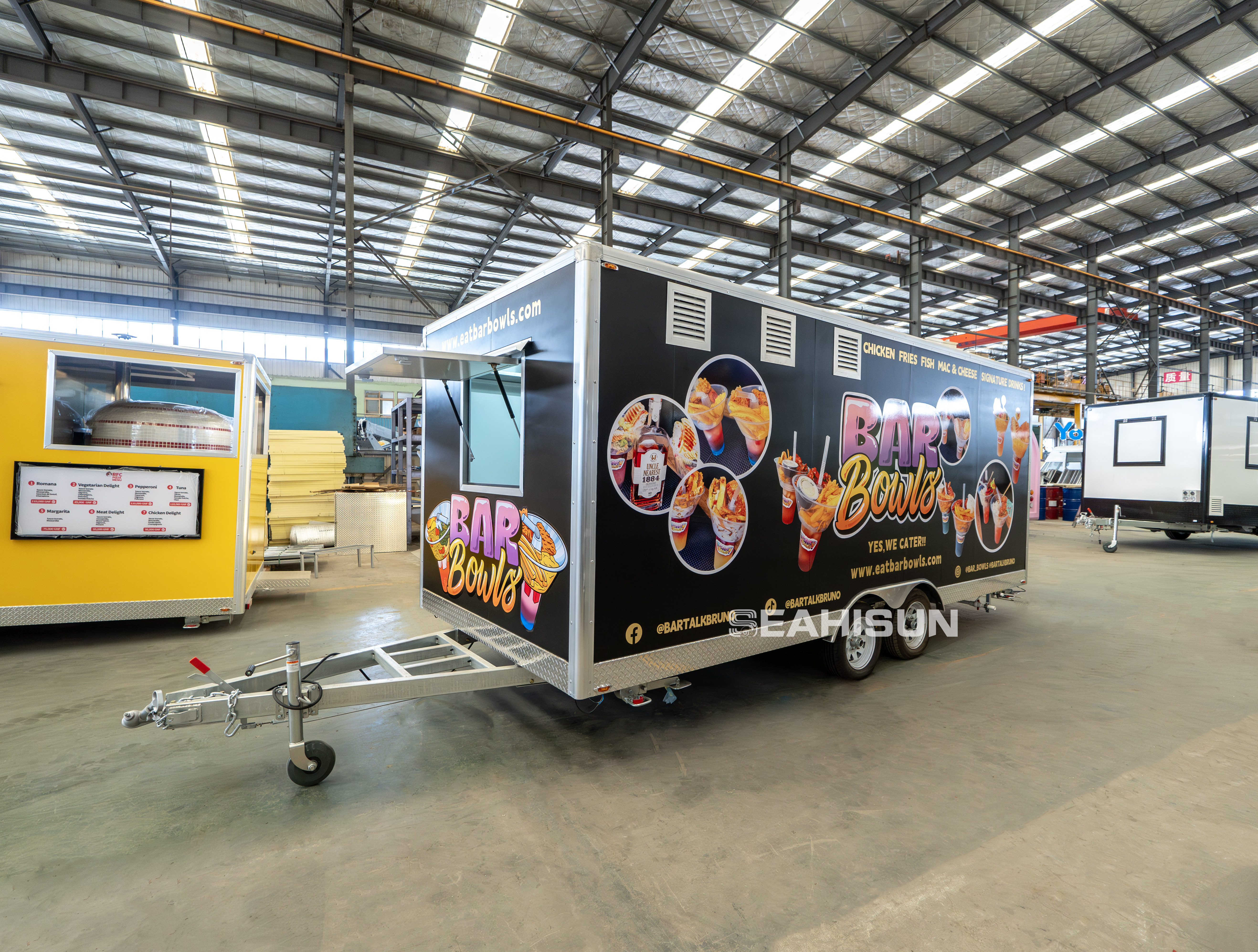
Interior space is incredibly precious inside a mobile unit. You must evaluate flat-top griddles versus steam tables carefully. The hot dog production line dictates your overall workflow speed. Griddles excel for grilling sausages and toasting buns simultaneously. They create appealing textures and delicious caramelization. Steam tables manage high-volume holding brilliantly. They keep hundreds of franks hot during sudden peak rushes. Most experienced vendors combine a small griddle for specialty sausages and a larger steam table for standard franks.
Health codes strictly regulate perishable toppings across all jurisdictions. Integrated refrigerated prep tables are absolutely mandatory. These sandwich or salad prep units hold shredded cheese, chili, and mayonnaise safely. They maintain temperatures below 41°F to prevent foodborne illnesses. Place these units close to your service window for rapid assembly. A common mistake involves placing the prep station too far from the serving window. This forces the operator to take unnecessary steps for every single order.
Commercial hoods occupy massive ceiling real estate inside the kitchen. Local fire codes determine your specific ventilation needs. Grilling processes produce grease-laden vapors. This mandates a Type 1 commercial hood featuring a fire suppression system. Steaming processes produce no grease at all. They often only require a Type 2 hood for basic heat and moisture removal. Always verify this critical distinction locally before purchasing equipment. Over-engineering your hood wastes money and valuable overhead space.
Vertical space serves as your most valuable asset. Smart storage engineering prevents cluttered, dangerous walkways. Install overhead wire shelving for lightweight dry goods. You can store spare buns, paper boats, and napkins safely above eye level. Use under-counter locking cabinets for all heavy items. Canned chili, bulk condiments, and cleaning supplies belong down low. This strategy keeps the center of gravity stable during highway transit.
Health departments dictate strict plumbing rules for mobile food vendors. Standard mandates require a massive three-compartment sink for washing, rinsing, and sanitizing. You also need an entirely independent hand-washing sink equipped with splash guards. These fixtures easily consume up to 30% of your available floor space. Furthermore, inspectors monitor your water tank ratios closely. You typically need your gray water tank to be at least 15% larger than your fresh water tank. This prevents catastrophic wastewater overflows.
Precise electrical calculations prevent blown fuses during busy service hours. You must build a comprehensive framework for peak wattage. Detail the split between your different circuits properly. Use 110v standard outlets for your POS system, LED lighting, and small chargers. Reserve high-draw 220v circuits for heavy commercial appliances. Certain commercial refrigerators and electric water heaters demand dedicated breakers. An overloaded electrical system halts operations instantly. It can also damage sensitive digital equipment.
| Appliance Type | Typical Voltage | Estimated Draw (Watts) | Circuit Requirement |
|---|---|---|---|
| Commercial Steam Table | 110V / 220V | 1500W - 3000W | Dedicated |
| Refrigerated Prep Table | 110V | 600W - 900W | Shared / Dedicated |
| Water Heater (Electric) | 110V | 1400W - 1500W | Dedicated |
| LED Lighting & POS | 110V | 100W - 300W | Shared |
Propane powers the core cooking equipment for most vendors. Safety guidelines surrounding propane lines are entirely non-negotiable. Mount DOT-approved propane tanks securely on the exterior tongue. Use internal hard-piping to route gas safely through the walls. Install emergency shut-off valves at every single appliance connection. This prevents catastrophic leaks in your mobile kitchen. Never use flexible residential hoses for commercial mobile applications.
Business needs change rapidly based on location and season. We highly recommend outfitting the space using standardized counter heights. Install quick-disconnect gas lines and heavy-duty electrical plugs. This plug-and-play approach allows you to swap appliances effortlessly based on seasonality. You can switch a winter chili warmer for a summer slushie machine in minutes. Flexible infrastructure ensures you never miss a profitable seasonal trend.
A well-planned base layout offers tremendous cross-concept adaptability. You can transition smoothly into a snack trailer or an ice cream trailer later. You might even convert it into a specialized pizza trailer if market demand shifts. You just swap the primary cooking module out.
Follow these steps to successfully re-concept your mobile unit:
Upgrading equipment changes your structural dynamics completely. You face a real risk of axle overload. Heavy items require careful placement during the design phase. Position cast-iron griddles and full water tanks directly over the axles. Poor balancing causes dangerous sway on the highway. It makes towing highly dangerous and accelerates tire wear. Always calculate your Gross Axle Weight Rating (GAWR) before adding new equipment.
Operators frequently weigh off-the-shelf imported units against domestic custom fabricators. Imported models found on major e-commerce platforms ship very quickly. They appear extremely budget-friendly initially. However, custom builds usually take several months to complete. Despite the wait, custom fabricators tailor every inch to your local codes. They ensure you pass your initial health inspection without expensive retrofitting.
We can visualize this decision using a procurement comparison chart:
| Evaluation Factor | Pre-fab Imported Units | Custom Built Units |
|---|---|---|
| Initial Purchase Price | Low to Moderate | Moderate to High |
| Delivery Timeline | 1 - 3 Weeks | 8 - 16 Weeks |
| Health Code Compliance | High Risk (Often requires retrofits) | Low Risk (Built to local spec) |
| Material Durability | Often uses residential-grade materials | Commercial-grade stainless steel & flooring |
Budget models harbor critical points of failure beneath the surface. Watch out for thin aluminum siding. Non-commercial grade flooring peels quickly under heavy daily traffic. Inadequate wall insulation turns the kitchen into a miserable oven during summer months. Uncertified electrical work poses severe fire hazards. Replacing these failing elements later costs significantly more than buying a quality hot dog trailer upfront.
Protect your investment thoroughly before paying any builder deposit. You must ask specific, technical questions. Request detailed CAD drawings to verify the workflow. Reputable builders provide these documents willingly.
Look out for these common red flags when evaluating fabricators:
Building a high-performance compact kitchen requires strategic sequencing. Define your local health codes first before doing anything else. Map your menu to the specific equipment next. Finally, select the actual trailer chassis last to accommodate your required layout. Many operators assume a smaller footprint guarantees a bargain. This assumption proves false if you prioritize commercial standards and volume efficiency.
Quality infrastructure demands appropriate investment regardless of the physical size. Skimping on electrical capacity or plumbing will cripple your daily output. By embracing modular designs, you protect your long-term business flexibility. Your next step is straightforward and highly actionable. Contact your local health department today. Request their specific mobile food guidelines before you finalize any CAD floor plan.
A: It depends on your cooking method. Boiling or steaming franks usually requires only a Type 2 hood for moisture removal. Grilling sausages on a flat-top produces grease. This mandates a Type 1 commercial exhaust hood featuring a dedicated fire suppression system according to most fire codes.
A: A fully equipped unit typically requires a minimum 5,000W to 7,000W generator. You must calculate the combined starting wattage of your refrigeration, electric water heaters, and heating elements. Undersized generators will frequently trip breakers and damage sensitive compressor motors.
A: No universal layout guarantees approval across all states. Health requirements vary wildly by county. Some counties mandate specific water tank sizes or exterior screen windows. You must build your unit according to the specific guidelines of your local health department.
A: A fully loaded 10-12 ft unit generally weighs between 2,500 and 4,000 pounds. This includes commercial equipment, heavy griddles, and full water tanks. You typically need a mid-size SUV or a half-ton pickup truck equipped with a proper Class III towing hitch.

